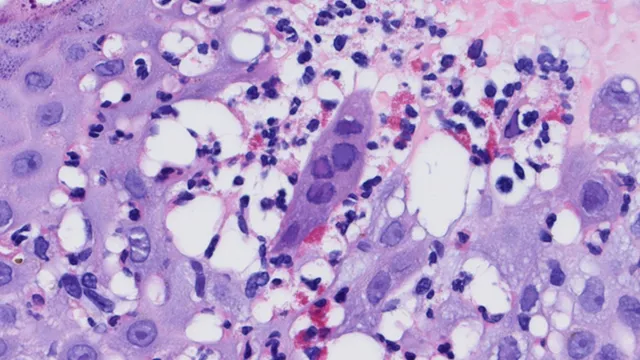
Cutaneous Infections - Histology, Immunohistochemistry and Molecular Testing
Description
Cutaneous infections encompass a broad spectrum of entities, ranging from common bacterial, fungal and viral diseases to uncommon, emerging and opportunistic infections that may present significant diagnostic challenges. This webinar will provide an overview of their dermatopathological features, with emphasis on key histomorphological clues and important differential diagnoses.
We will also highlight the role of ancillary techniques in difficult cases, including special stains, immunohistochemistry, in situ hybridisation, and molecular methods such as PCR and next-generation sequencing. Selected cases will illustrate how these tools can confirm a suspected diagnosis, uncover unexpected pathogens and help resolve morphologically ambiguous presentations.
The lecture is designed for general pathologists with an interest in dermatopathology, practising dermatopathologists and microbiologists, and aims to strengthen an integrated diagnostic approach combining morphology, microbiological data and modern molecular techniques in the assessment of cutaneous infectious disease in routine practice and diagnostically challenging clinical settings.
Session Recordings
Recordings are available immediately after the live session, so you can recap key insights at your own pace. Enjoy ongoing access for as long as the webinar remains in our library. We continuously review our content to maintain high-quality training.
CME Accreditation
CME credits will be available once the webinar recording is published on our accredited platform, at 1 CME credit per hour. To claim credits, complete the assessment and submit the EACCME feedback form.
Learning Objectives
- Describe the dermatopathological features of common, uncommon, emerging, and opportunistic cutaneous infections.
- Recognise key histomorphological clues and important differential diagnoses in cutaneous infectious disease.
- Explain the role of ancillary diagnostic techniques, including special stains, immunohistochemistry, in situ hybridisation, PCR, and next-generation sequencing.
- Understand how ancillary techniques can help confirm diagnoses, identify unexpected pathogens, and resolve morphologically ambiguous cases.
- Apply an integrated diagnostic approach combining morphology, microbiological data, and molecular techniques in the assessment of cutaneous infections.
Lecturers