 This training is accredited by EACCME with 9 CME credits
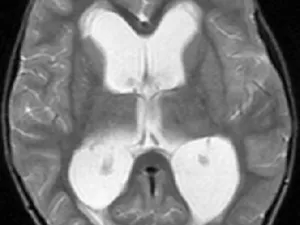
 The online fellowship will begin with a comprehensive review of cerebrospinal fluid (CSF) physiology and radiological anatomy. Throughout the fellowship, imaging signs of hydrocephalus will be discussed in detail. Imaging techniques used in the evaluation of hydrocephalus will constitute a major component of the program.
In addition, other CSF disorders—including idiopathic intracranial hypertension, spontaneous intracranial hypotension, and normal pressure hydrocephalus—will be addressed in dedicated sessions, with emphasis on their characteristic radiological findings. Various secondary causes of hydrocephalus, such as leptomeningeal carcinomatosis, tumours, and other obstructive or infiltrative processes, will also be highlighted.
Furthermore, normal post-treatment imaging appearances as well as treatment-related complications will be reviewed to enhance participants’ confidence in follow-up imaging interpretation.
Unilabs Academy online radiology courses are held in a virtual classroom environment on Zoom. Participants are encouraged to engage in discussions making use of their camera and microphone in order to recreate the face-to-face experience.
In this small group environment among your peers, you are free to ask questions, make mistakes, and learn together with the support of the radiologist mentor.
Unilabs Academy is an EACCME Trusted Provider.
- Become familiar with normal CSF radiological anatomy
- Recognize and interpret imaging findings used in the diagnosis of hydrocephalus
- Differentiate between the various types of hydrocephalus
- Understand the role, advantages, and limitations of different MR imaging modalities in the diagnosis and differential diagnosis of hydrocephalus subtypes
- Diagnose other CSF disorders, including idiopathic intracranial hypertension, spontaneous intracranial hypotension, and normal pressure hydrocephalus, based on their radiological features
- Identify a wide range of diseases and pathological processes that may cause hydrocephalus
- Recognize normal post-treatment imaging appearances in hydrocephalus and identify treatment-related complications
- Structured lectures on CSF physiology, radiological anatomy, and the spectrum of hydrocephalus
- In-depth sessions on imaging findings and classification of different types of hydrocephalus
- Detailed review of MR imaging techniques and advanced modalities used in the diagnosis and differential diagnosis of hydrocephalus
- Dedicated modules on other CSF disorders, including idiopathic intracranial hypertension, spontaneous intracranial hypotension, and normal pressure hydrocephalus
- Case-based discussions and real-life imaging examples to reinforce key concepts
- Focused lectures on secondary causes of hydrocephalus, such as tumors, leptomeningeal carcinomatosis, and other obstructive or infiltrative pathologies
- Review of normal post-treatment imaging appearances and recognition of treatment-related complications
Group Discounts for Radiology Education
Unilabs Academy is happy to offer group discounts to support radiology education within hospitals or practices. Please email us at academy.radiology@unilabs.com for details.